






















SV66 🏅 Link SV66 COM 2025 | Đăng Ký Hoàn Phí Gia Nhập 66K
SV66 – Đơn vị nhà cái đến từ châu Á đang “gây bão” cộng đồng cược thủ với hệ sinh thái game đồ sộ, mới mẻ. Nền tảng dẫn đầu xu hướng giải trí, cá cược trực tuyến hiện nay. Thương hiệu liên tục đứng đầu trong danh sách các sân chơi giải trí uy tín, thu hút hàng triệu lượt hội viên quốc tế đăng ký. Với sự chuyên nghiệp trong hệ thống vận hành cùng tầm nhìn chiến lược dài hạn, nhà cái hứa hẹn sẽ tiếp tục thống lĩnh thị trường trong nhiều năm tới.
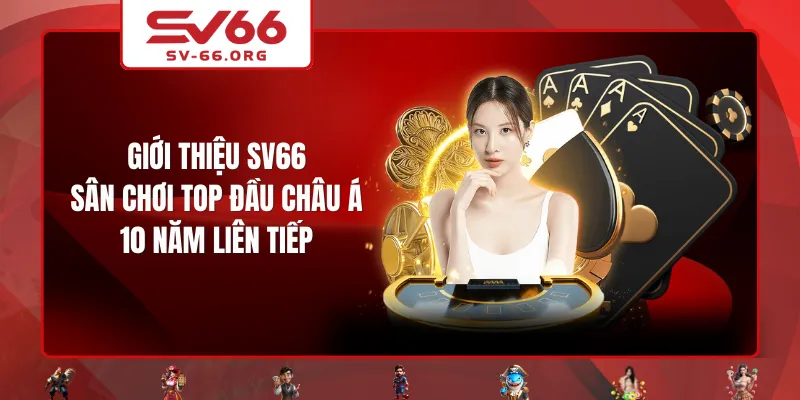
Giới thiệu SV66 – Sân chơi top đầu châu Á 10 năm liên tiếp
SV66 tự hào khi là sân chơi giải trí top đầu châu Á với hệ sinh thái dịch vụ đạt chuẩn quốc tế (đa dạng – an toàn – minh bạch). Hơn 10 năm qua, thương hiệu đã mang đến làn gió mới cho thị trường cá cược trực tuyến cùng nhiều giá trị tuyệt vời khi xây dựng cộng đồng hội viên lành mạnh, cùng nhau phát triển.
Nguồn gốc & quá trình phát triển
SV66 là thương hiệu nhà cái trực tuyến có nguồn gốc từ châu Á với trụ sở chính hiện đang đặt tại thủ đô Manila (Philippines). Hiện nay sân chơi vẫn luôn hoạt động chịu sự quản lý từ chính phủ nước này. Ra đời vào đầu những năm 2012, thương hiệu đã nhanh chóng tạo ra một làn gió mới trên thị trường khi thu hút sự quan tâm và tò mò đông đảo của cược thủ Đông Nam Á.
Nhờ nền tảng công nghệ hiện đại cùng hệ thống dịch vụ độc đáo. Nhà cái đã khiến cho xu hướng cá cược trực tuyến bùng nổ mạnh mẽ tại trong khu vực bên cạnh những “đàn anh” lâu đời khác. Với tầm nhìn phát triển bền vững, SV66 đã mở rộng quy mô hoạt động từ Đông Nam Á vươn ra toàn châu Á và khu vực Bắc Mỹ. Tính đến nay, website đã hoạt động hơn 12 năm, trong đó 10 năm gần nhất luôn lot top các nhà cái top đầu châu Á.
Sứ mệnh
Ra mắt vào đầu năm 2012 – thời điểm cá cược online còn quá xa lạ với người dân thế giới. Nhà cái SV66 mang trong mình một sức mệnh quan trọng là “Kiến tạo xu hướng giải trí hiện đại và an toàn”. Nhận thấy được tiềm năng của ngành cùng nhu cầu giải trí ngày càng lớn của người chơi. Thương hiệu đã “gây bão” khi lần đầu tiên xây dựng hệ thống cá cược tối ưu, mang lại trải nghiệm giải trí tuyệt vời với công nghệ hiện đại.
Bên cạnh việc xây dựng nền tảng cá cược hiện đại, website SV66 còn mang sứ mệnh định hình thói quen giải trí online lành mạnh cho cộng đồng. Nhà cái liên tục cải tiến hệ thống để đem đến sân chơi minh bạch, công bằng cũng như luôn khuyến khích người chơi tham gia một cách có trách nhiệm. Đồng thời chúng tôi đặt ra mục tiêu xây dựng cộng đồng hội viên lành mạnh, văn minh, cùng giúp đỡ nhau phát triển và đang thực hiện được điều đó.
Vị thế trên thị trường
Sau khi ra mắt, phải mất 2 năm để trang cá cược SV66 gây được tiếng vang và tăng độ nhận diện thương hiệu trong giới cược thủ Đông Nam Á. Năm 2014, nhà cái đã vươn lên dẫn đầu thị trường với sự đánh giá cao từ phía chuyên gia và cược thủ. Từ đó đến nay, chúng tôi tự hào khi luôn duy trì thứ hạng top đầu trong bảng xếp hạng các sân chơi uy tín – minh bạch suốt 10 năm liên tiếp.
Tính đến thời điểm hiện tại, nhà cái uy tín SV66 đã ghi nhận hơn 6.000.000 lượt đăng ký hội viên, và con số này dự đoán sẽ tiếp tục tăng trong năm nay. Hệ thống chi nhánh hoạt động phủ rộng hơn 40 quốc gia trên khắp thế giới, trong đó có Việt Nam. Ngoài ra nhà cái còn vinh hạnh nhận được vô số các giải thưởng danh giá như “Nhà cái Đá Gà đỉnh nhất 2015”, “Nền tảng cá cược an toàn hàng đầu 2020”,…
Link vào SV66 cập nhật mới nhất năm 2025
Năm 2025, nhà cái SV66 tiếp tục sẽ khẳng định vị thế của mình trong giới cá cược trực tuyến với hệ thống bảo mật chuyên nghiệp và truy cập tối ưu. Chúng tôi luôn đảm bảo update nhiều đường link dự phòng để hội viên có thể truy cập ngay cả khi nhà mạng trong nước siết chặt kiểm soát trình duyệt. Hãy đảm bảo dùng link chính thống để tránh bị các trang giả mạo lừa đảo và tận hưởng trải nghiệm giải trí đỉnh cao tại nhà cái của chúng tôi!

Cụ thể đây là link vào SV66 mới nhất 2025: https://hp-lexicon.info/
Đánh giá ưu điểm vượt trội chỉ có tại nhà cái uy tín SV66
Không phải vì ăn may mà nhà cái cá cược SV66 lại luôn đứng top đầu trong suốt 10 năm liên tiếp. Đó là bởi sự cố gắng và nỗ lực không ngừng của website để hướng đến sứ mệnh kiến tạo sân chơi giải trí – cá cược minh bạch, hiện đại, an toàn cũng như mang đến giá trị thực sự cho cộng đồng cược thủ. Dưới đây là những ưu điểm nổi bật giúp cho thương hiệu giữ được vị thế top đầu của mình:
Thương hiệu được nhiều tổ chức kiểm duyệt cấp phép hoạt động
Một trong những “bàn đạp” giúp cho thương hiệu SV66 chinh phục được sự tin tưởng của cược thủ, nhất là trong giai đoạn 2012 khi mọi người còn nghi ngờ về cá cược online, đó là sự đảm bảo về mặt pháp lý. Nhà cái hiện đang chịu sự quản lý bởi chính phủ Philippines – đất nước vốn đã hợp pháp hóa hoạt động cá cược trực tiếp – trực tuyến nên mọi người hoàn toàn có thể yên tâm về nguồn gốc và tính pháp lý của website.
Đặc biệt, SV66 chúng tôi còn nhận được giấy cấp phép hoạt động hợp pháp từ nhiều tổ chức kiểm duyệt cá cược uy tín trong giới. Trong đó có thể kể đến như Gibraltar Gambling Commission, PAGCOR (Philippine Amusement and Gaming Corporation), Isle of Man Gambling Supervision Commission,… Đây là minh chứng rõ nhất cho thấy toàn bộ hoạt động của nhà cái đều diễn ra hợp pháp, minh bạch và đảm bảo an toàn cho người dùng.
Đảm bảo an toàn 100% cho người dùng cá cược tại SV66
Tuy đã hoạt động hơn 10 năm nhưng SV66 chưa bao giờ coi nhẹ vấn đề bảo mật người dùng. Đặc biệt là trong thời đại lừa đảo bằng công nghệ diễn ra phổ biến như hiện nay. Nhà cái đầu tư mạnh vào công nghệ AI và Big Data, qua đó giúp tối ưu hóa trải nghiệm cá cược mượt mà, không lo gián đoạn. Hệ thống tường lửa đa lớp cùng bộ mã hóa SSL 256-bit cũng được áp dụng để đảm bảo an toàn tuyệt đối cho mọi giao dịch, thông tin và tài khoản hội viên.
Sở hữu hệ sinh thái đồ sộ với chất lượng dịch vụ tốt, minh bạch
Một trong những điểm nổi bật giúp đơn vị SV66 khẳng định vị thế top đầu châu Á suốt hơn một thập kỷ qua chính là hệ sinh thái cá cược toàn diện, đa dạng và minh bạch. Không chỉ tập trung vào một lĩnh vực cụ thể, nhà cái đã không ngừng nâng cấp và đầu tư xây dựng, phát triển một nền tảng giải trí toàn diện. Tại đây có thể đáp ứng mọi nhu cầu của cược thủ, trong đó bao gồm các sản phẩm như Thể thao, Live Casino, Bắn Cá, Nổ Hũ, Đá Gà,…
Số lượng game SV66 đã đạt hơn 1000 trò, trong đó bao gồm những “đứa con tinh thần” của nhà cái và sản phẩm hợp tác cùng nhiều nhà cung ứng hàng đầu thế giới (Evolution Gaming, Pragmatic Play, SV388, SABA, TP, Ae Sexy,…). Nội dung game luôn được đầu tư và kiểm duyệt kỹ lưỡng trước khi cho ra mắt nên đảm bảo chất lượng trải nghiệm tốt. Kết quả trả thưởng 100% xanh chín, ngẫu nhiên, công bằng với tất cả hội viên nhờ áp dụng nhiều công nghệ hiện đại.
Đảm bảo quyền lợi tốt nhất cho hội viên với khuyến mãi khủng
Một bí quyết giúp cho nhà cái giữ chân được các người chơi đó là update khuyến mãi khủng để tri ân mọi người. Tất cả đối tượng, từ người chơi mới tham gia đăng ký tài khoản đến những hội viên lâu năm đồng hành với nhà cái, đều có quyền tham gia nhận quà khủng từ hệ thống SV66. Mỗi chương trình sẽ có quy định cụ thể về điều kiện, cách thức đăng ký cùng thời gian diễn ra, bạn chỉ cần tuân thủ là tha hồ nhận quà khủng; cụ thể bao gồm:
- Đăng ký tài khoản SV66 mới – Hoàn phí gia nhập 66k.
- Nhận thưởng nạp đầu lên đến 3.866.000 VND đối với sảnh Game Bài – Slot.
- Hoàn trả siêu hấp dẫn 3.5% mỗi ngày đối với tất cả sản phẩm.
- Chủ nhật vàng nạp tiền tặng ngay 5% tổng giá trị nạp.
- Khuyến mãi thành viên VIP mỗi ngày – mỗi tháng cao nhất 288 tỷ.
- Hồng bao thần bí – Tri ân kỷ niệm 10 năm cùng SV66,…
Điểm danh top các đầu game SV66 không thể bỏ qua
Suốt hơn 10 năm qua, nhà cái vẫn luôn giữ được vị thế là sân chơi top đầu châu Á, cung cấp hệ sinh thái cá cược trực tuyến mới mẻ và toàn diện nhất hiện nay. Không chỉ cập nhật đủ dịch vụ giải trí truyền thống để đáp ứng nhu cầu của cược thủ. Website còn không ngừng update thêm những xu hướng cá cược mới mẻ và hiện đại; cụ thể:
Thể Thao
Thể Thao SV66 được đánh giá là sân chơi chuẩn mực theo tiêu chuẩn quốc tế, với đa dạng các bộ môn thi đấu hấp dẫn được cập nhật. Trong đó có thể kể đến như bóng đá, bóng rổ, quần vợt, khúc côn cầu, đua xe F1, bóng chuyền, trượt băng, điền kinh,… Link xem thi đấu trực tiếp luôn được update đầy đủ hàng ngày, hệ thống kèo cược thì đa dạng, cập nhật theo thời gian thực nên sẽ đảm bảo tính minh bạch cho fan hâm mộ.
Live Casino
Live Casino SV66 ra mắt đã mở ra một làn gió mới tới cộng đồng cược thủ Đông Nam Á, trong đó có Việt Nam. Nhà cái đã đưa xu hướng chơi Casino đậm chất phương Tây phát triển tại khu vực, từ đó góp khiến các game bài đổi thưởng hiện đại này ngày càng phổ biến hơn (Baccarat, Roulette, Sicbo, Poker, Dragon Tiger,…) với giới cược thủ châu Á.
Điều đặc biệt làm nên thành công của sảnh đó là ở tính năng livestream trực tiếp với người chơi. Sẽ có các cô gái Dealer người thật xinh đẹp phục vụ ở từng bàn chơi để vừa hỗ trợ cược thủ chia bài, tính điểm vừa để giám sát đánh Casino sao cho minh bạch. Ngoài ra mỗi bàn được thiết kế đa dạng mức cược từ thấp đến cao, tha hồ cho mọi người tham gia giải trí hàng ngày.
Nổ Hũ
Nổ Hũ SV66 được nhiều cược thủ yêu thích bởi kho game 1000+ phiên bản quay Slot siêu đồ sộ đến từ nhiều đơn vị cung ứng uy tín (JILI, Pragmatic Play, CMD, Microgaming, CQ9,…). Tất cả trò chơi đều có tỷ lệ RTP hoàn trả trên 90%, ngoài ra đều được vận hành bởi công nghệ RNG (Random Number Generator) nên kết quả 100% xanh chín và ngẫu nhiên. Thiết kế game đầy đẹp mắt với vô số chủ đề quay hũ khác nhau đang chờ bạn đến khám phá!
Bắn Cá
Bắn Cá SV66 cũng khiến nhiều cược thủ đắm chìm trong giây phút giải trí đầy vui vẻ và hứng khởi với hàng chục phiên bản săn boss hấp dẫn. Bạn sẽ vào vai những tay thợ săn chuyên nghiệp, lặn dưới đáy đại dương đầy thử thách với nhiệm vụ hạ gục các loài sinh vật biển di chuyển xung quanh. Thiết kế đồ họa siêu chân thật, hiệu ứng mượt mà cùng hệ thống sinh vật, vũ khí đa dạng,… Tất cả đã mở ra một không gian giải trí tuyệt vời dành cho mọi đối tượng cược thủ.

Xổ Số
Xổ Số SV66 vươn tầm quốc tế khi không chỉ update các loại hình cá cược trong nước mà còn mang đến dịch vụ đánh lô đề đến từ nước ngoài. Trong đó có thể kể đến như kiến thiết 3 miền Bắc – Trung – Nam, Vietlott, Keno, Loto, Number Games, xổ số Đài Loan, xổ số Hồng Kông, xổ số Thái Lan,… Hình thức đặt cược đa dạng, cơ cấu giải thưởng khủng. Đặc biệt nền tảng còn tích hợp thêm tính năng cập nhật kết quả – soi cầu tự động hàng ngày cực tiện ích.
Đá Gà
Đá Gà SV66 là chuyên mục góp phần phủ rộng độ nhận diện thương hiệu nhà cái ngay năm đầu ra mắt. Thương hiệu có cơ hội hợp tác với nhiều đơn vị trường đấu chọi kê uy tín. Qua đó tổ chức phát sóng trực tiếp các giải đấu lớn nhỏ cùng cá cược kết quả đá gà. Hơn 10 năm phục vụ cược thủ, hiện nay công nghệ livestream tiên tiến nhất đã được áp dụng để truyền tải hình ảnh sắc nét hơn, đa dạng góc máy hơn cùng tốc độ load mạng mượt mà.
E-Sports
Thể thao điện tử (E-Sports) đang ngày càng phát triển và phổ biến tại Đông Nam Á nói riêng và châu Á nói chung. Nắm bắt được xu hướng giải trí này, nhà cái online SV66 mới update chuyên mục E-Sports để mang đến dịch vụ cá cược các trận đấu đối kháng đầy kịch tính (có thể kể đến một số game như Liên Minh Huyền Thoại, PUBG, CS:GO, Valorant, Call of Duty,…). Ngoài ra vài sảnh còn hỗ trợ cược thủ xem trực tiếp thi đấu ngay trên nền tảng với hình ảnh sắc nét, mượt mà.
FAQ – Giải đáp thắc mắc phổ biến của cược thủ về SV66
Bạn đang băn khoăn không biết liệu có nên thử cá cược một lần tại nhà cái SV66? Trên thực tế rất nhiều cược thủ tỏ ra lo lắng và có những thắc mắc về thương hiệu website mà mình có ý định trải nghiệm. Cụ thể sau đây chúng tôi sẽ tiến hành giải đáp vài câu hỏi phổ biến nhất để mọi người hiểu rõ hơn về nhà cái:

Cá cược trực tuyến tại SV66 có hợp pháp không?
SV66 tự hào khi khẳng định chúng tôi là nhà cái hoạt động hoàn toàn minh bạch, uy tín và hợp pháp. Bằng chứng là website sở hữu giấy tờ cấp phép hợp pháp từ nhiều đơn vị kiểm duyệt uy tín (PAGCOR, Isle of Man,…) cũng như chịu sự quản lý, giám sát của chính phủ Philippines. Qua đó mọi hoạt động cá cược trực tuyến tại nhà cái đều tuân thủ các quy định nghiêm ngặt chuẩn quốc tế về bảo mật – an toàn người dùng nên bạn yên tâm nhé.
Điều kiện để trở thành hội viên SV66 chính thức là gì?
Chúng tôi luôn chào đón tất cả người chơi trong và ngoài nước có niềm đam mê với cá cược trực tuyến tham gia trải nghiệm dịch vụ. Điều kiện để trở thành hội viên chính thức của nhà cái cũng vô cùng đơn giản. Chỉ cần đủ 18 tuổi trở lên, sở hữu đủ năng lực pháp lý và đảm bảo đáp ứng điều kiện điều khoản SV66 là được. Tuy nhiên chúng tôi không chấp nhận hội viên cũ lập tài khoản mới nên bạn cần hết sức lưu ý.
Giao dịch tại nhà cái bằng cách nào? Có nhanh không?
Hiện tại hệ thống đang update khá nhiều hình thức rút – nạp tiền SV66 trực tuyến để mọi người có thể linh hoạt lựa chọn. Trong đó có thể kể đến như chuyển khoản ngân hàng (BIDV, AGRIBank, VietcomBank,…), ví điện tử (Momo, Zalo Pay), thẻ cào điện thoại, tiền ảo (Crypto),… Vì áp dụng công nghệ xử lý tự động nên tốc độ giao dịch siêu nhanh chóng, chỉ mất từ 5-10 phút/giao dịch.
Đội ngũ CSKH SV66 có hoạt động 24/7 hay không?
Đội ngũ chuyên viên chăm sóc khách hàng SV66 luôn hoạt động 24/7 kể cả lễ tết, cuối tuần,… Để đảm bảo phục vụ hội viên mọi lúc mọi nơi. Mọi người có bất kỳ thắc mắc, khiếu nại gì hay gặp sự cố đáng tiếc thì hoàn toàn có thể liên lạc với họ để được nhận tư vấn và hỗ trợ giải quyết nhanh chóng. Có nhiều cách thức để kết nối với CSKH nhà cái, ví dụ như gọi số Hotline, Chat Live, kênh Fanpage Facebook, tài khoản Telegram, Email.
Lời kết
SV-66 hiện là một trong những website cá cược trực tuyến đẳng cấp hàng đầu, sân chơi giải trí toàn diện bậc nhất châu Á. Với hệ sinh thái game đồ sộ, hiện đại cùng cơ chế cá cược minh bạch, khuyến mãi khủng cùng giao diện trực quan; nhà cái hứa hẹn mang đến những trải nghiệm tốt nhất. Truy cập ngay vào website của chúng tôi từ hôm nay để không bỏ lỡ sự kiện chào tân thủ hấp dẫn bạn nhé!
[/col_inner_1] [/row_inner_1] [/col_inner] [/row_inner] [/col] [/row] [/section]
